Contact us here!
Contact us for questions, general inquiries, or to request a quote.
By submitting this form, I consent to the processing of my personal data as explained in Ossiform's Privacy Policy.

Contact us for questions, general inquiries, or to request a quote.
By submitting this form, I consent to the processing of my personal data as explained in Ossiform's Privacy Policy.

Ossiform® is founded on a worldwide IP protected technology developed in 2015.
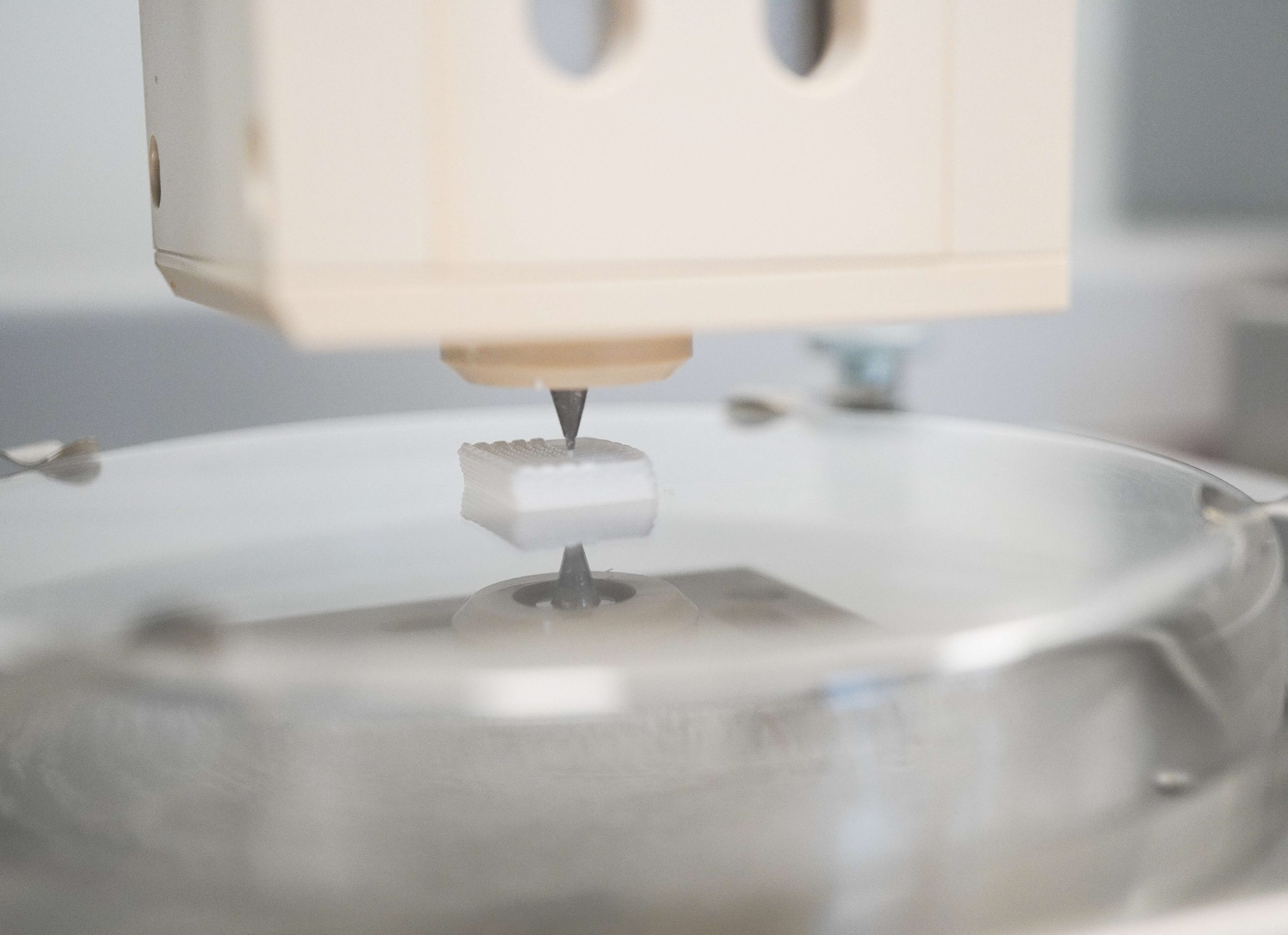
Our solution is a bio-ink composed of powder particles suspended in a solid but meltable fatty acid matrix. The bio-ink enables a new 3D additive manufacturing process where objects are constructed directly from a computer-aided design (CAD) file.
The bio-ink is loaded into a syringe, heated to its melting point and extruded as a thin line onto a cooler stage on which it re-solidifies. The fatty acid is then removed through burning and the powders are sintered together.
Preclinical evidence suggests the Ossiform Bone performs according to design objectives. The bone substitutes:
These results have been published in peer-reviewed scientific papers (See Publications section below).
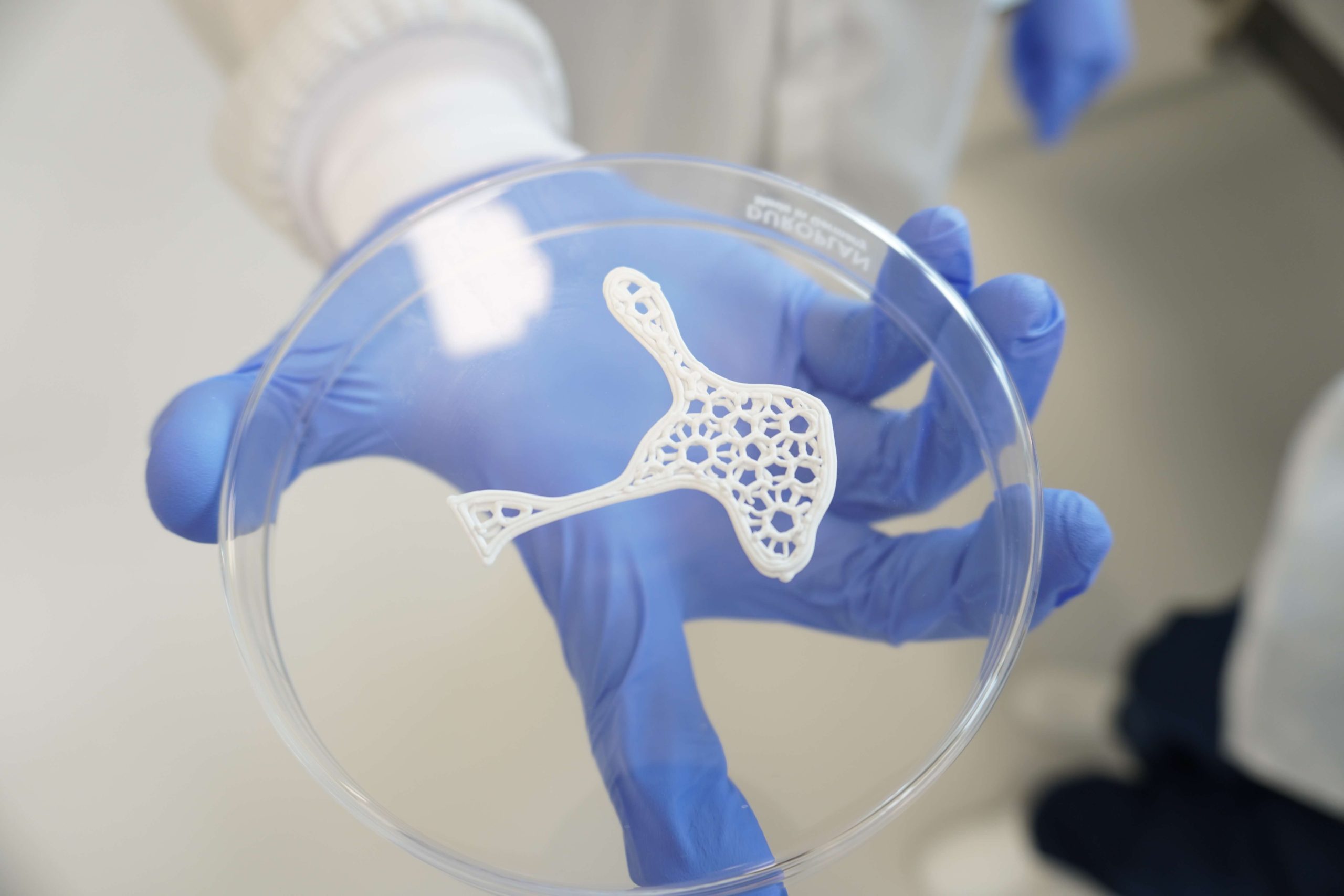
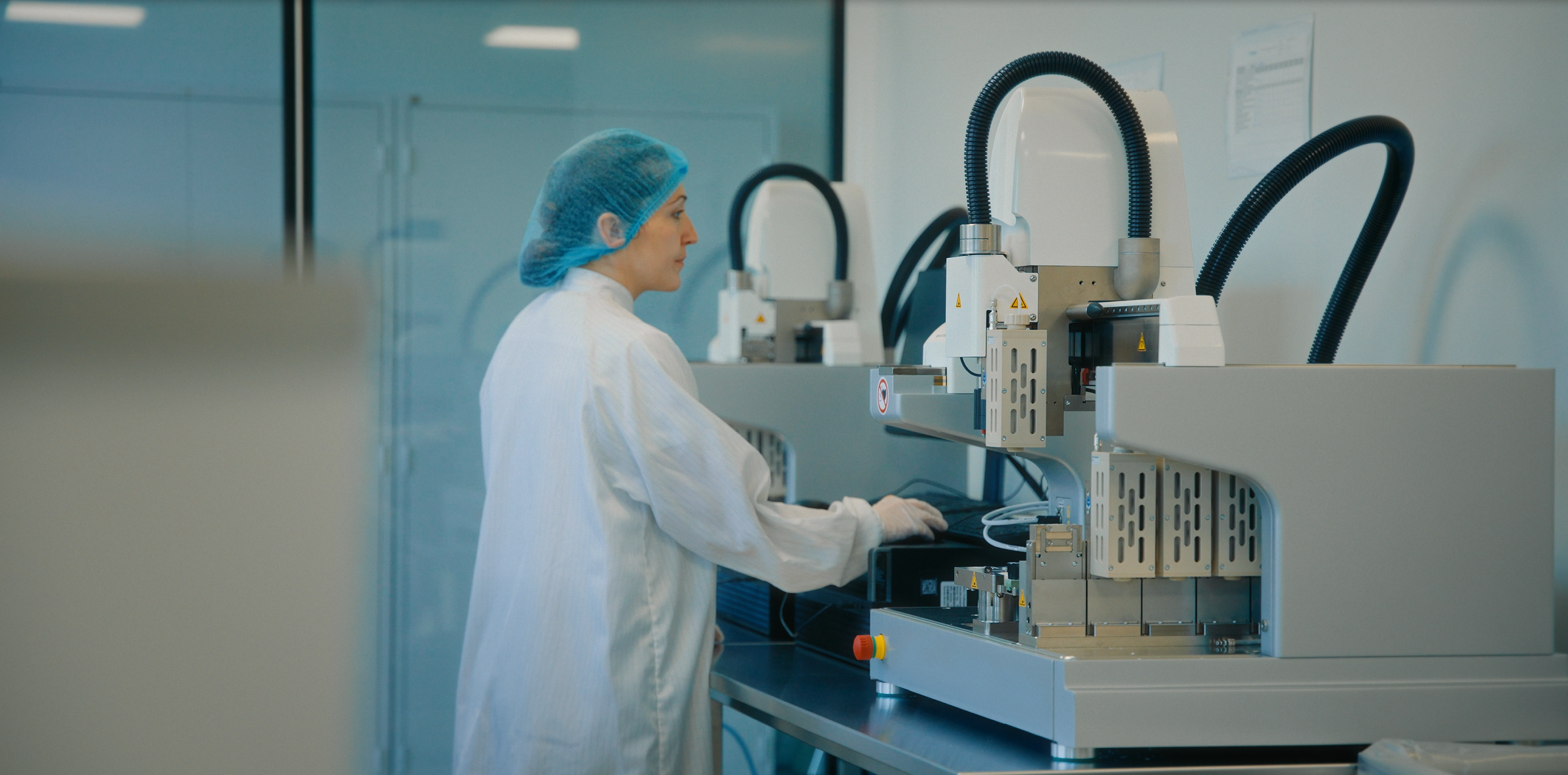
We work in close collaboration with physicians to develop bone substitutes that are optimized for the specific demands of diversified clinical applications and integrate seamlessly into existing workflows.
Thygesen, T., et al. Comparison of off-the-shelf β-tricalcium phosphate implants with novel resorbable 3D printed implants in mandible ramus of pigs. Bone (2022): 116370.
Get access here
Jensen MB, et al. Treating mouse skull defects with 3D printed fatty acid and tricalcium phosphate implants. Journal of Tissue Engineering and Regenerative Medicine. (2020): 1-11
Get access here
Jensen MB, et al. Composites of fatty acids and ceramic powders are versatile biomaterials for personalized implants and controlled release of pharmaceuticals. Bioprinting 10 (2018): e00027
Get access here
Slots C, et al. Simple additive manufacturing of an osteoconductive ceramic using suspension melt extrusion. Dental Materials 33.2 (2017): 198-208.
Get access her
Jensen MB et al. The performance of a new generation of 3D printed and drug and stem cell loaded implants in vitro and in vivo. DASCS2017 Stem Cell Conference. 2017.
See poster
Sascha Senck, et al. Ceramic additive manufacturing and microstructural analysis of tricalcium phosphate implants using X-ray microcomputed tomography. Open Ceramics (2024): 100628.
Get access here