Contact us here!
Contact us for questions, general inquiries, or to request a quote.
By submitting this form, I consent to the processing of my personal data as explained in Ossiform's Privacy Policy.
Contact us for questions, general inquiries, or to request a quote.
By submitting this form, I consent to the processing of my personal data as explained in Ossiform's Privacy Policy.
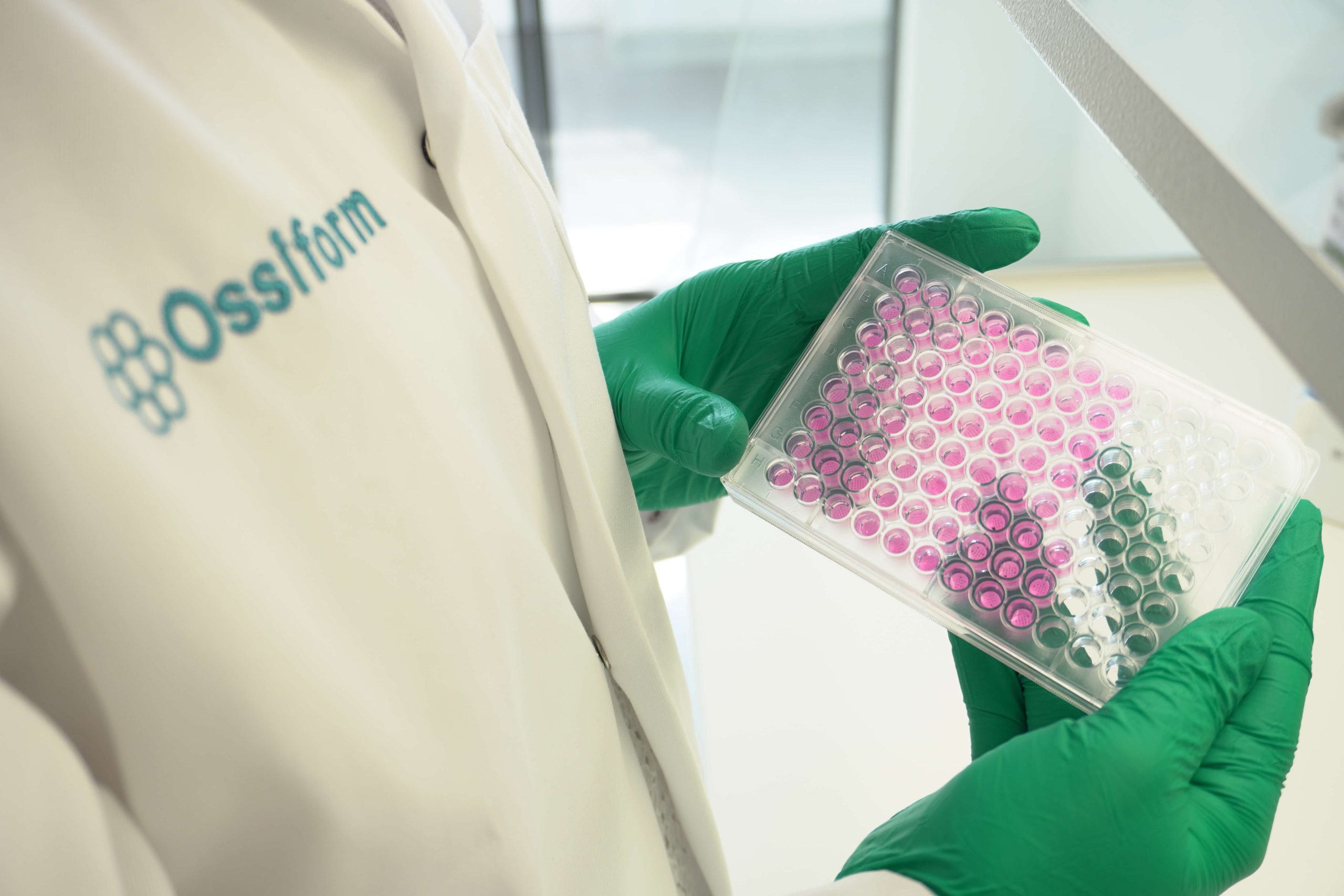
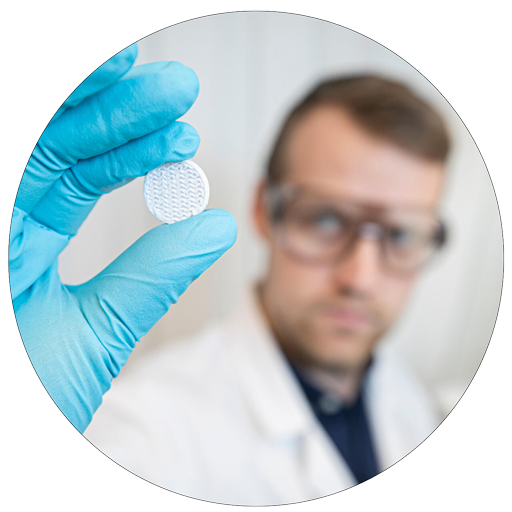
Bioceramic bone-mimicking scaffolds, a clinically relevant and animal-free alternative, for your cell- and bacteria studies, tissue engineering, disease modeling, and drug screening.
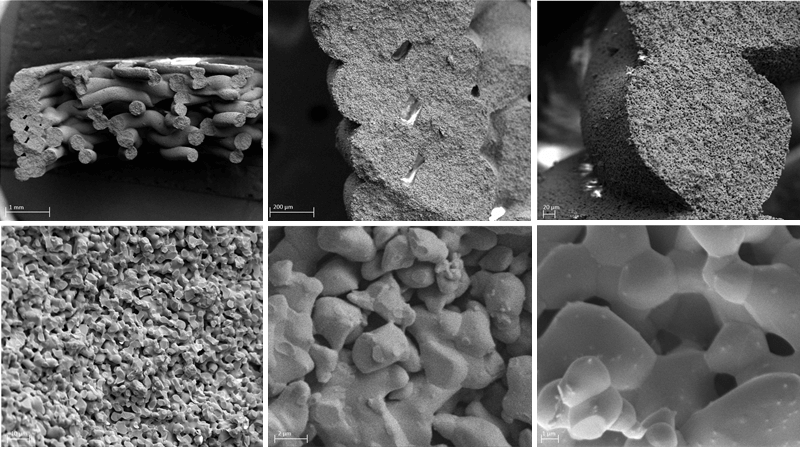
The 3D printed structures mimic the physical properties of calcified bone tissue to let you create more relevant and predictable models of human physiology and pathology that capture the complex interplay between various cells.
Not certified for clinical or diagnostic purposes.
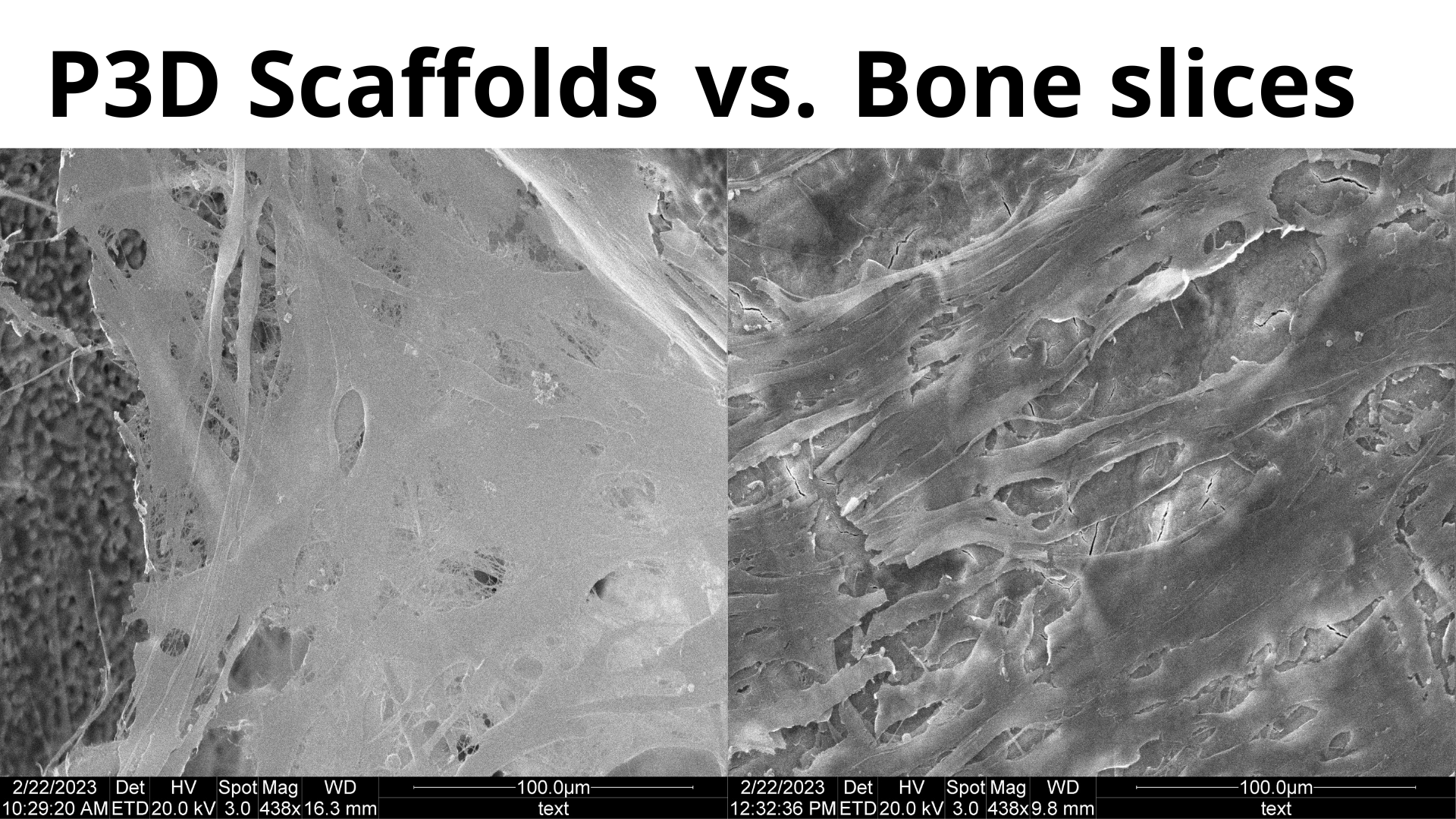
The idea behind P3D Scaffolds is to give researchers the opportunity to perform their in vitro experiments in a clinically relevant context.
The porous 3D structure supports the natural self-organization of cells and maintains relevant cell signaling. It can also be used to test new therapies in lifelike structures wherein drug perfusion is uneven and where bacteria and cancer cells may hide in pores. This allows for a more realistic testing that is more likely to yield reliable results when subsequently translated.
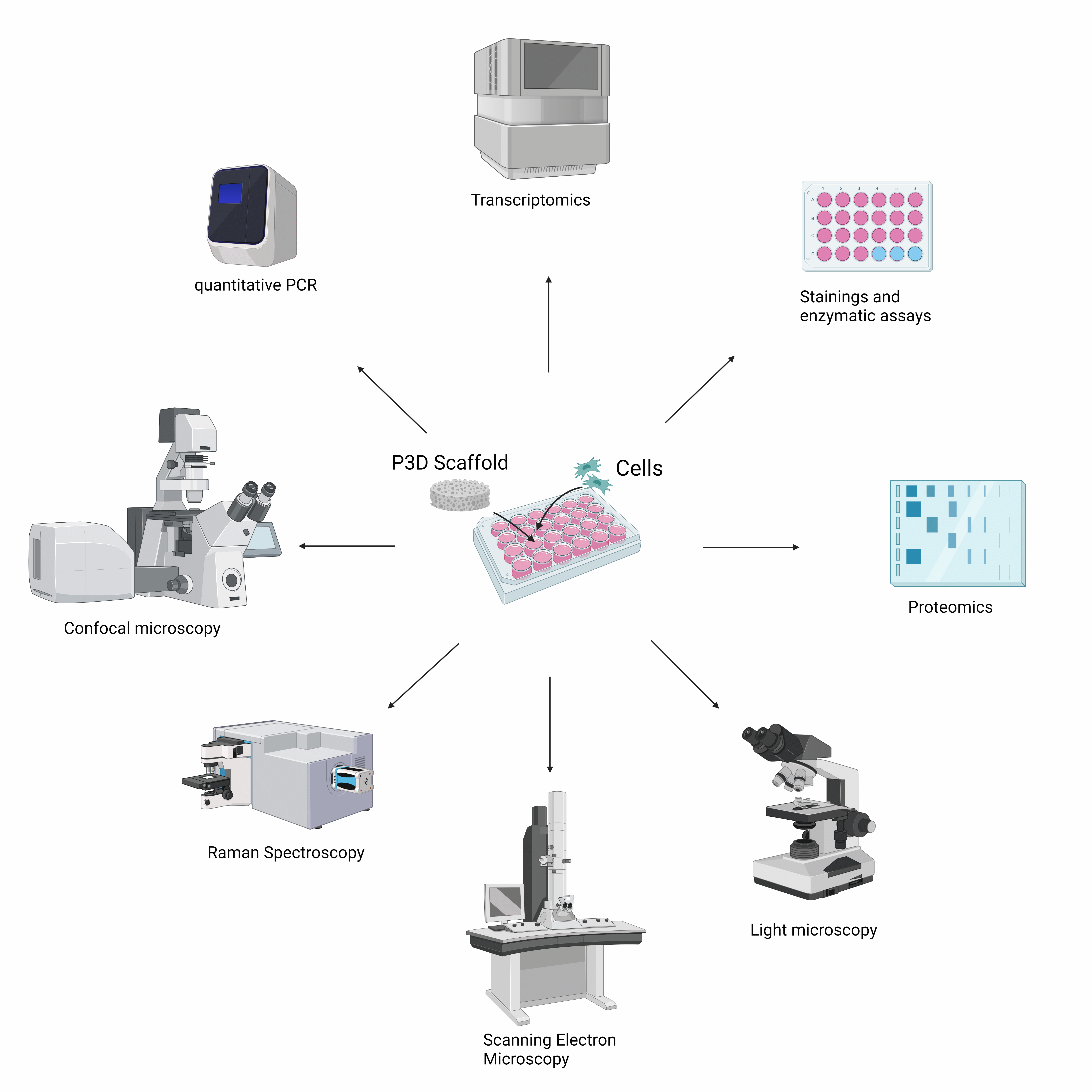
The P3D Scaffolds are compatible with most laboratory techniques with little to no alterations to the existing protocol.
By enabling the creation of more relevant cell culture models, we aim to help researchers enhance in vitro research and accelerate the development of new human therapies while reducing the need for animal testing.
The porosities maximize the surface area onto which cells can attach. Researchers can add different cells and pharmaceuticals to study how they interact with each other and the structure within its pores. For example:
The P3D Scaffolds are made from a nonpolymeric bioink consisting of β-TCP which facilitates a realistic cell differentiation and proliferation.
As the scaffolds are made of β-TCP instead of HA, you can easily distinguish between mineral from the scaffold and mineral deposited by osteoblasts. While β -TCP is not the exact mineral that our bones are composed of, the bone-interacting cells perceives it as such.
Patent status: The product is protected by one or more US, European, and/or foreign patents.
Disclaimer: The products are “For Research Use Only (RUO)” and should not be used for clinical purposes. Ossiform® makes no other warranties, expressed or implied, including the implied warranty of merchantability and the implied warranty of fitness for particular purpose.