Contact us here!
Contact us for questions, general inquiries, or to request a quote.
By submitting this form, I consent to the processing of my personal data as explained in Ossiform's Privacy Policy.

Contact us for questions, general inquiries, or to request a quote.
By submitting this form, I consent to the processing of my personal data as explained in Ossiform's Privacy Policy.
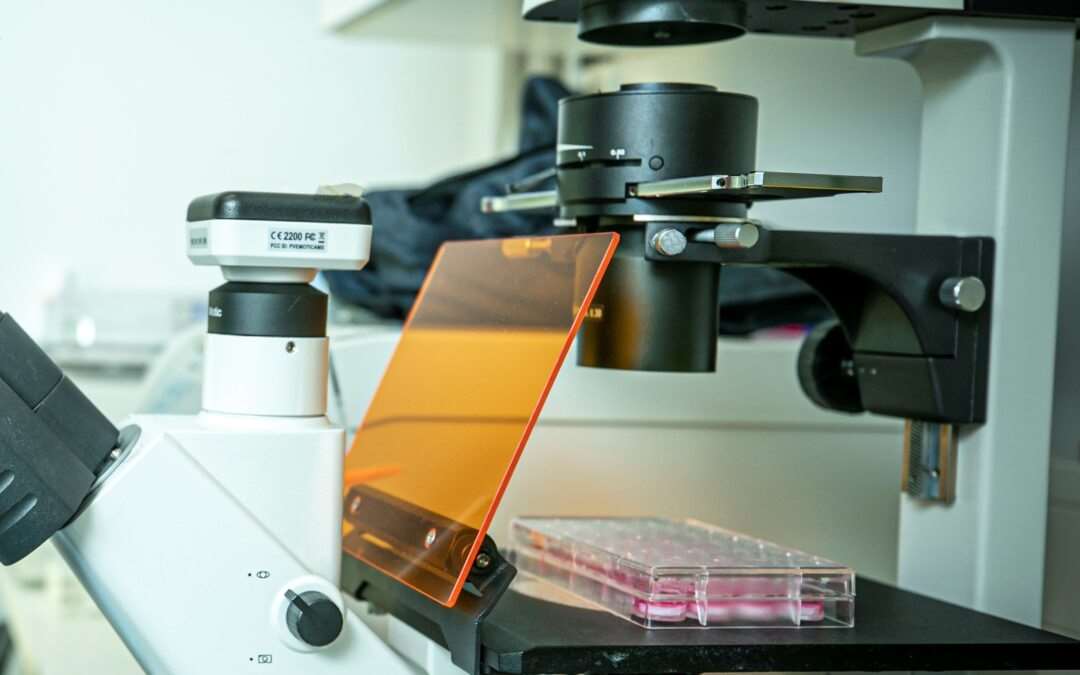
Three-dimensional (3D) tumor models – commonly referred to as tumoroids – are emerging as a powerful tool for investigating cancer progression and evaluating anticancer therapies in vitro. By replicating key features of the tumor microenvironment, tumoroids offer a more physiologically relevant alternative to traditional 2D cell cultures and many animal models.
Tumoroids are 3D, miniaturized tumor models that are derived from patient cancer cells or immortalized cancer cell lines. They retain essential biological characteristics of primary tumors, including cellular heterogeneity, extracellular matrix interactions, and microenvironment‑driven behavior. Accordingly, tumoroid models can be used to perform in-depth investigations of cancer progression and assess the impact of different pharmaceutical candidates. Furthermore, tumoroids enable:
Like other types of organoids, tumoroids can be grown on biomimetic scaffolds that offer an environment that mimics the native tissue architecture. This allows cells to self-organize into complex 3D structures that resemble their in vivo counterparts.

Many solid tumors, such as breast and prostate cancers, frequently metastasize to bones. Despite their clinical relevance, bone cancer and bone metastasis remain difficult to model due to the structural and biological complexity of both the cancer and the bone tissue.
The P3D Scaffolds from Ossiform address this gap by providing a mineralized, bone‑mimicking environment that supports co‑culture cancer models of human mesenchymal stem cells (hMSCs) and cancer cells. This setup enables researchers to:
When hMSCs and cancer cell lines are seeded onto P3D Scaffolds, they form a 3D bone construct in which cancer cells grow and behave similarly to tumors growing in human bone. By using a primary cancer type, such as breast or prostate cancer, researchers can track the genetic, morphological and epigenetic changes required for tumor cells to adapt to a bone-like environment and thereby elucidate metastatic behavior.
Indirect co-culturing methods can further be applied to study the bidirectional communication between host and cancer tissue. By using a metastasizing cell type and a permeable membrane, the metastatic process can be directly observed and understood. The P3D Scaffolds therefore provide a controlled and reproducible platform for studying bone cancer progression and metastasis biology in an in vitro setup.
Traditional cancer models – such as 2D cell cultures and many animal models – have little similarity to human tissue and often fail to accurately predict human outcomes. By utilizing 3D tumoroid models, such as the P3D Scaffold, researchers can imitate human bone tissue, obtain reliable results, and ultimately better understand the complex dynamics and interplay of cancer disease occurring in vivo while still reaping the benefits of in vitro methods in terms of reproducibility and scalability.
The P3D Scaffold‑based tumoroid models offer:
Thus, while animal models and traditional 2D human cell lines are not always reliable ways to predict how cancer or pharmaceutical treatments will affect humans, disease modeling and drug screening on tumoroids offer a very promising alternative. By 3D culturing stem cells and cancer cells on the scaffolds, you can create a robust and predictive cancerous tumor model that translates accurate findings to human pathology.
While researchers and the pharmaceutical industry have relied on animal models and 2D human cell lines to secure the developments in cancer research up until this day, the cultivation of tumoroids is now recognized to represent a very promising tool for cost-effective research. As the field shifts toward human‑relevant, scalable research platforms, tumoroids grown on biomimetic scaffolds are becoming increasingly important. These models support faster, more cost‑effective development of new therapies and provide insights that are difficult to obtain using conventional systems.
Researchers seeking to model bone metastasis, evaluate anticancer drugs, or study cell–matrix interactions can benefit from customizable 3D culture platforms tailored to their experimental needs. With the use of 3D cultured human cells rather than animal models, new therapies may be developed more effectively and in a shorter time frame.
For inquiries regarding P3D Scaffolds, please contact [email protected]. Our team is ready to support your work in developing predictive, biologically relevant cancer research models.
